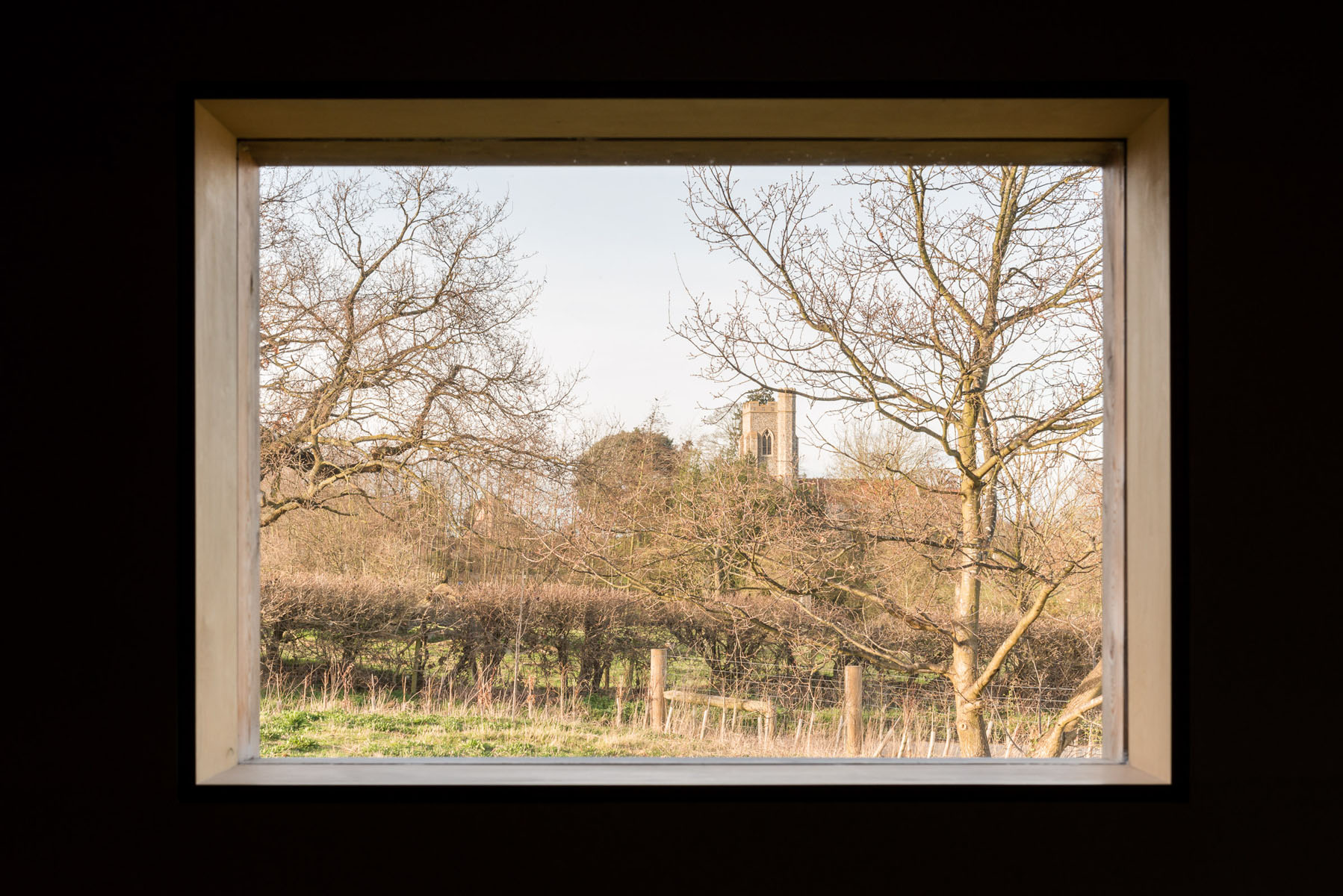
I have always believed that the most successful architecture begins with understanding what already exists.
Transformation is not about simply replacing the old with something new. It is about looking carefully, recognising the qualities that give a building its identity and finding a way for those qualities to continue into the future.
Many of the buildings I work with are not obvious opportunities. They may be historic structures, neglected spaces or buildings that have become disconnected from the way people live today. They often present challenges, but those challenges are also what make them interesting.
Every building contains layers of history.
The materials, proportions, craftsmanship and relationship with the surrounding landscape all contribute to its character. These qualities cannot simply be recreated. They are the result of time.
This is why I believe that existing buildings deserve careful consideration before any decisions are made.
A successful transformation begins with observation. It requires understanding what should be retained, what can be adapted and where new interventions can add value.
The aim is not to preserve a building as a museum piece, nor to erase its history in favour of something entirely new.
The challenge is to find the right balance between past and present.
For example, when working on Church Hill Barn, the challenge was to celebrate the majesty of the cathedral-like existing spaces while introducing interventions at a more domestic scale. This led to the idea of using life-sized, freestanding joinery elements to define the spaces and create a sense of inhabitation within the larger volumes.
A home is more than an arrangement of rooms.
The most successful buildings create a sense of connection, to their surroundings, to their history and to the people who inhabit them.
This is particularly important when working with historic buildings. Their character comes not only from their appearance, but from the stories they carry.
A former agricultural building, a listed property or a neglected structure can all contain the foundations of something remarkable.
The role of the architect is to reveal those possibilities and create a new chapter in the building’s story.
There is an important difference between renovation and transformation.
For me, the most rewarding projects are those where the final result feels as though it belongs. The building has changed, but its identity remains.
New architecture should not compete with what already exists. It should create a dialogue with it.
A carefully considered opening, a new material, a change in light or a reorganisation of space can allow a building to work in a completely new way while still respecting its origins.
Architecture is often described as the creation of something new, but some of the most meaningful projects begin by looking back.
The buildings around us already contain knowledge, character and value. The opportunity is to understand them, work with them and allow them to continue evolving.
The most successful architecture does not erase the past.
It reveals its value and gives it a future.
Discover more about David Nossiter Architects and our approach to transforming historic and characterful buildings.