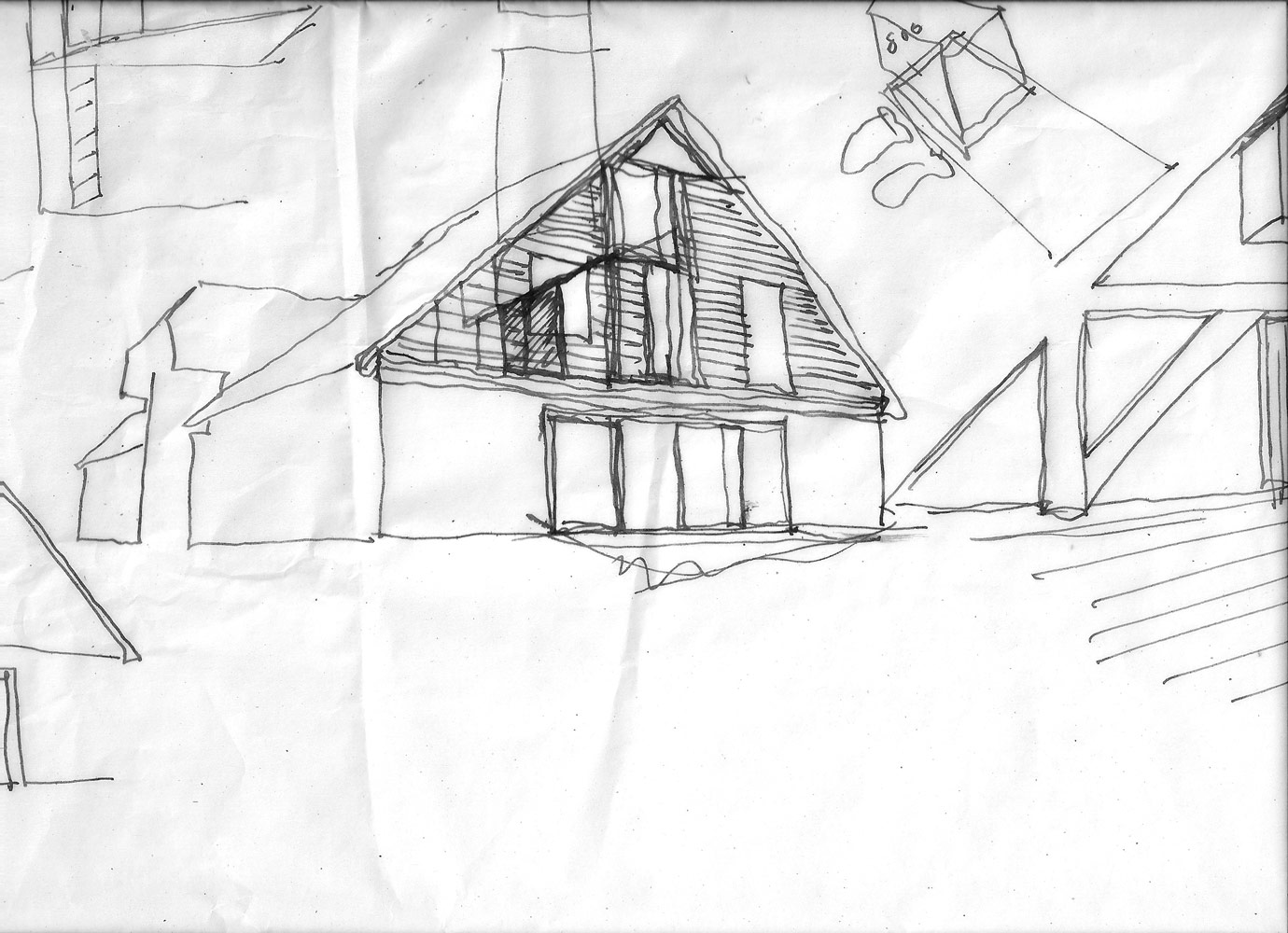
Pye Barn, Oxfordshire. Barn Conversion & Sensitive Retrofit
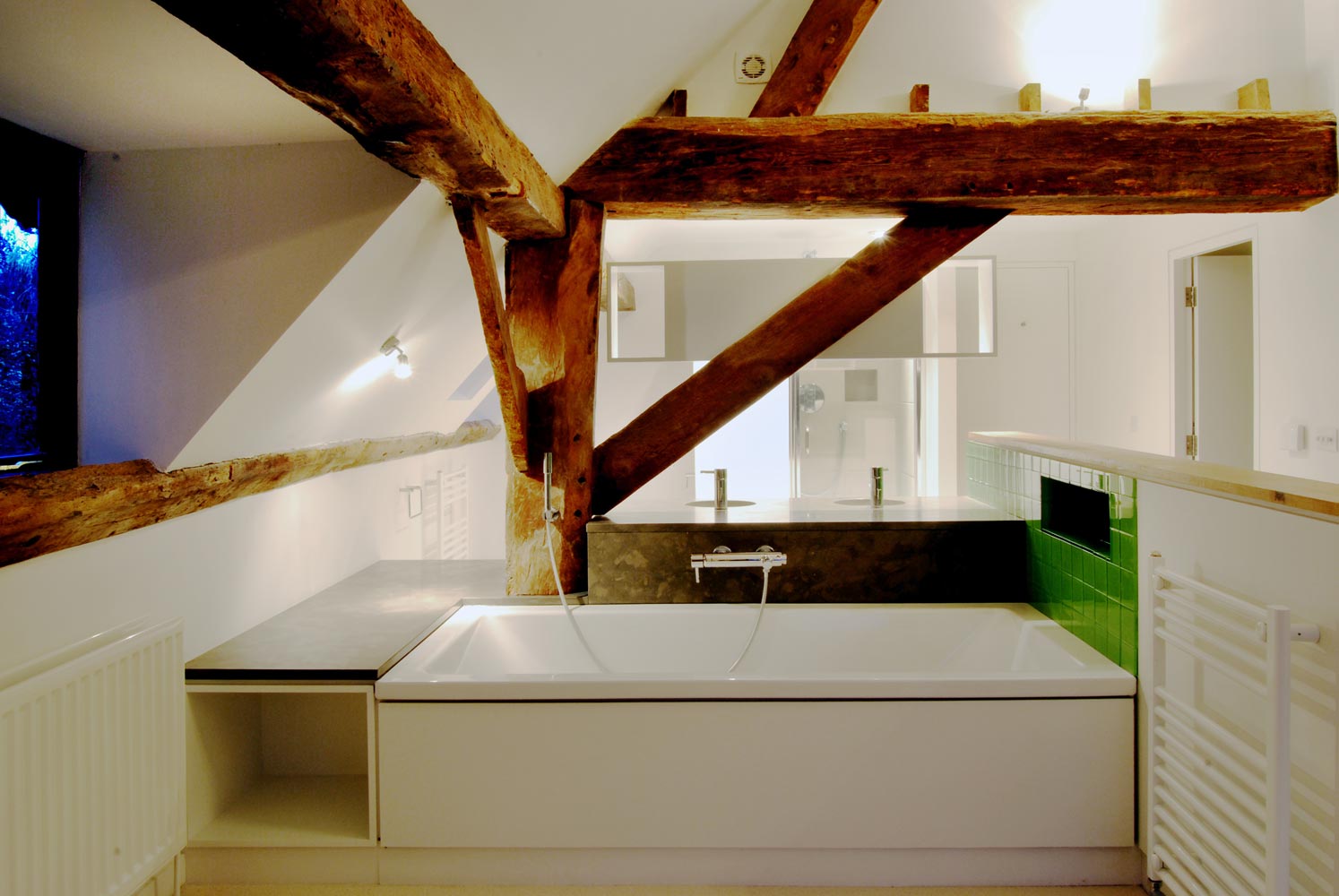
'A converted barn in the Oxford countryside is stripped back to its original shell to reveal breathtaking proportions and gorgeous oak structures.'
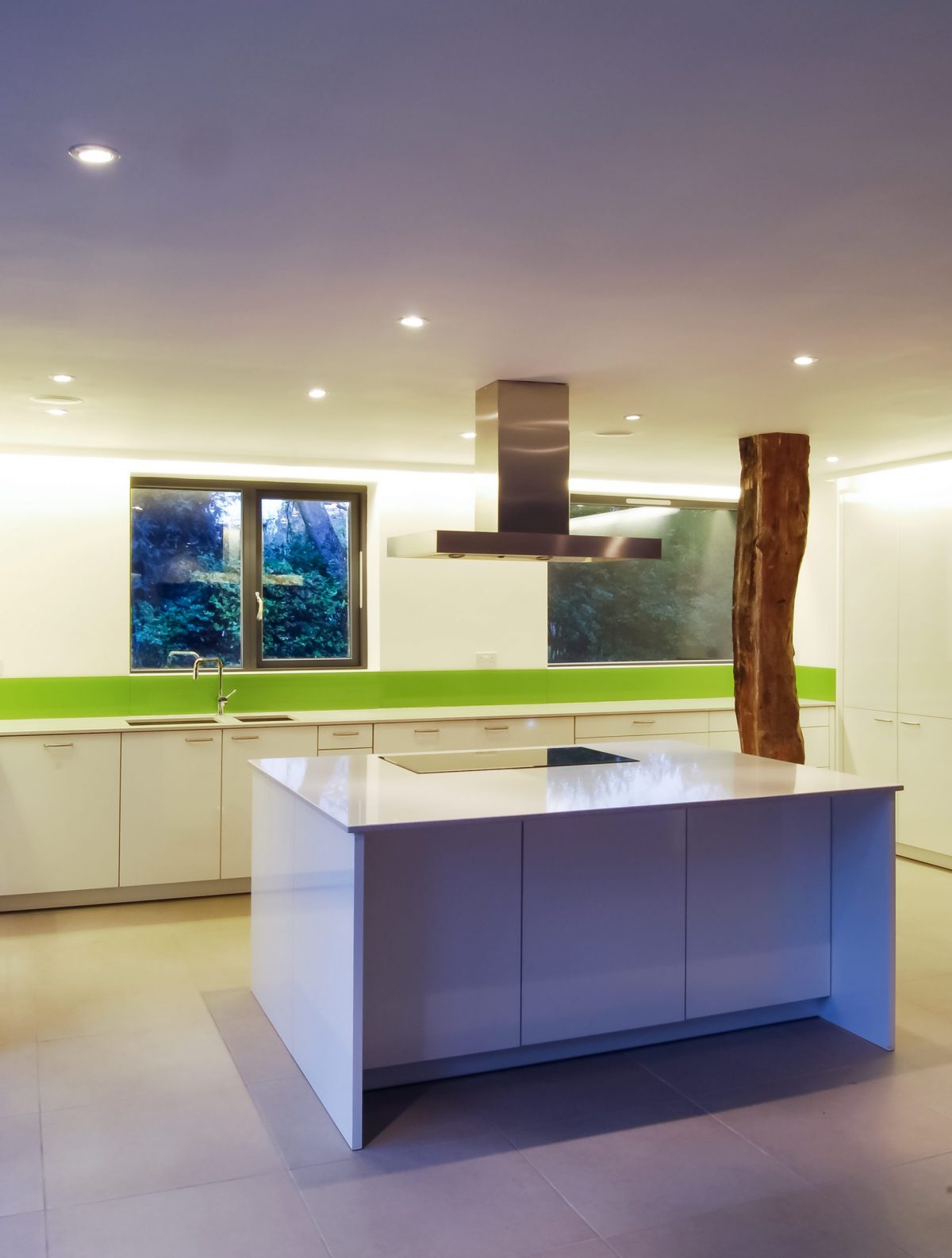
Kitchens, Bedrooms & Bathrooms Magazine
'We don’t impose an aesthetic — we uncover what’s already there.'
David Nossiter
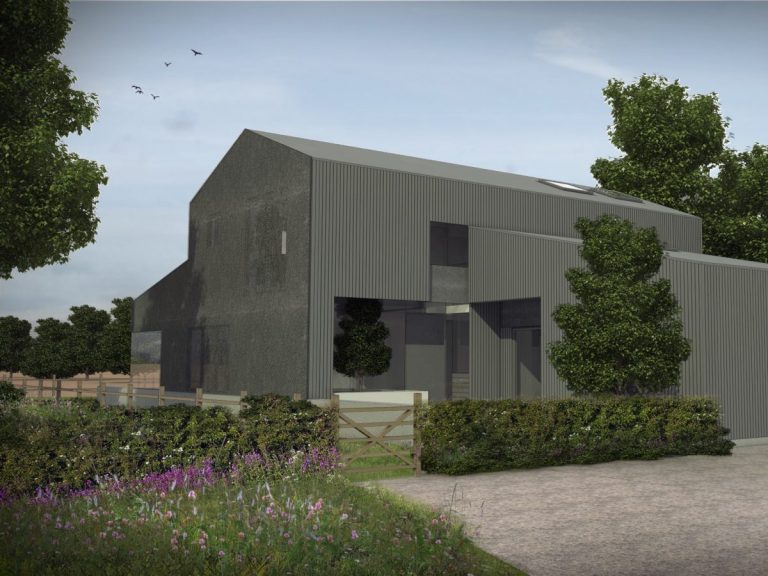
Pye Barn is a sensitive retrofit of a 1935 barn conversion in rural Oxfordshire, set within an Area of Outstanding Natural Beauty (AONB).
Pye Barn was originally converted into a dwelling in 1935. The original barn conversion undertaken by architect John Pym, was the subject of a contemporary feature in Country Life magazine.
One aspect of the 1935 Country Life description that I find particularly interesting as an architect, is John Pym’s conscious use of contemporary materials for the conversion works in order to contrast with the ancient structure of the original barn, thereby allowing both to be clearly identified. The principle of distinguishing old from new informed our approach.
Read more about Pye Barn
You can more about the history of Pye Barn in my blog.
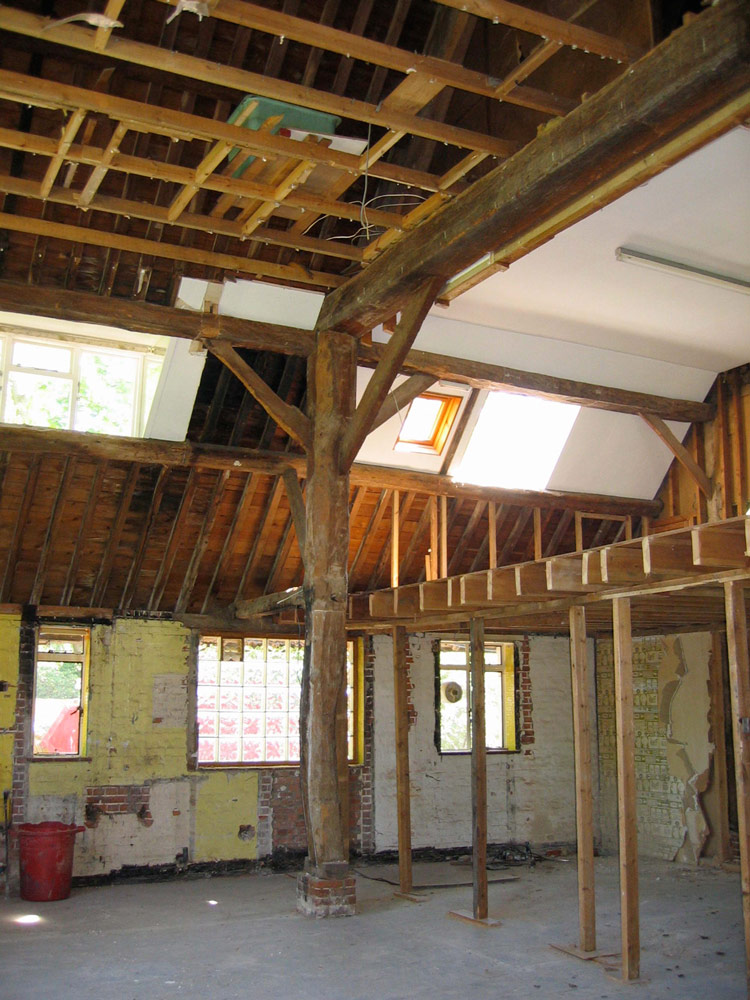
The original barn conversion, was impressive, but tired and required retrofitting.
Pye Barn demonstrates David Nossiter’s approach to sensitive retrofit: removing unnecessary layers to reveal the original structure while introducing precise contemporary interventions for modern family life.
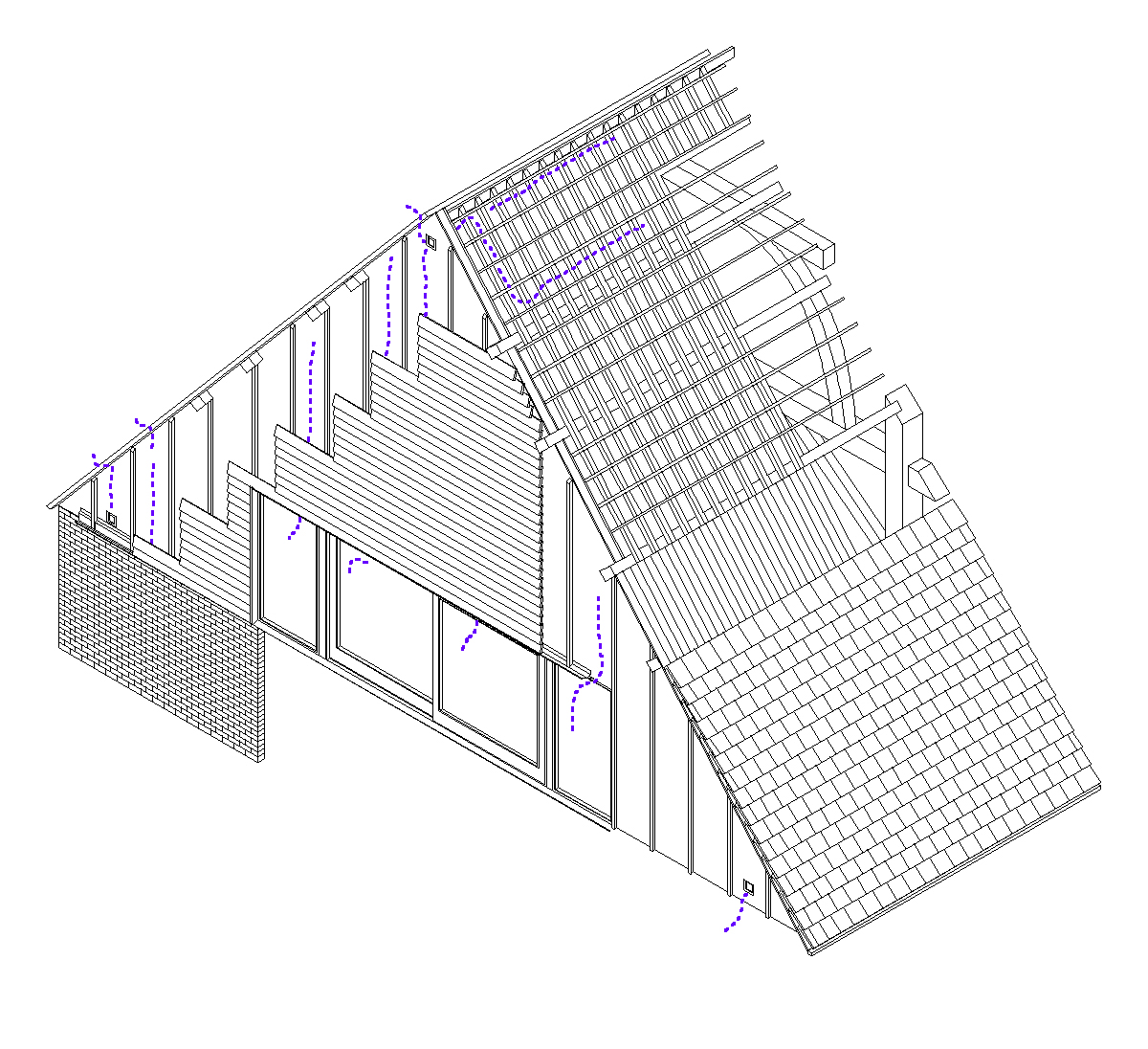
The building had glorious spaces, but required updating, the heating was inefficient, insulation was limited, partitions were thin and windows single-glazed. David was invited to be the architect for a sensitive retrofit modernisation.
David first visited Pye Barn while undertaking a site appraisal for the clients, who were relocating from London.
The brief was to revitalise and retrofit the barn without foregoing the majesty of the spaces.
Design Philosophy: Subtraction rather than addition
The design was a process of subtraction, rather than addition: revealing the qualities already present within the barn and introducing only those interventions necessary to support contemporary living.
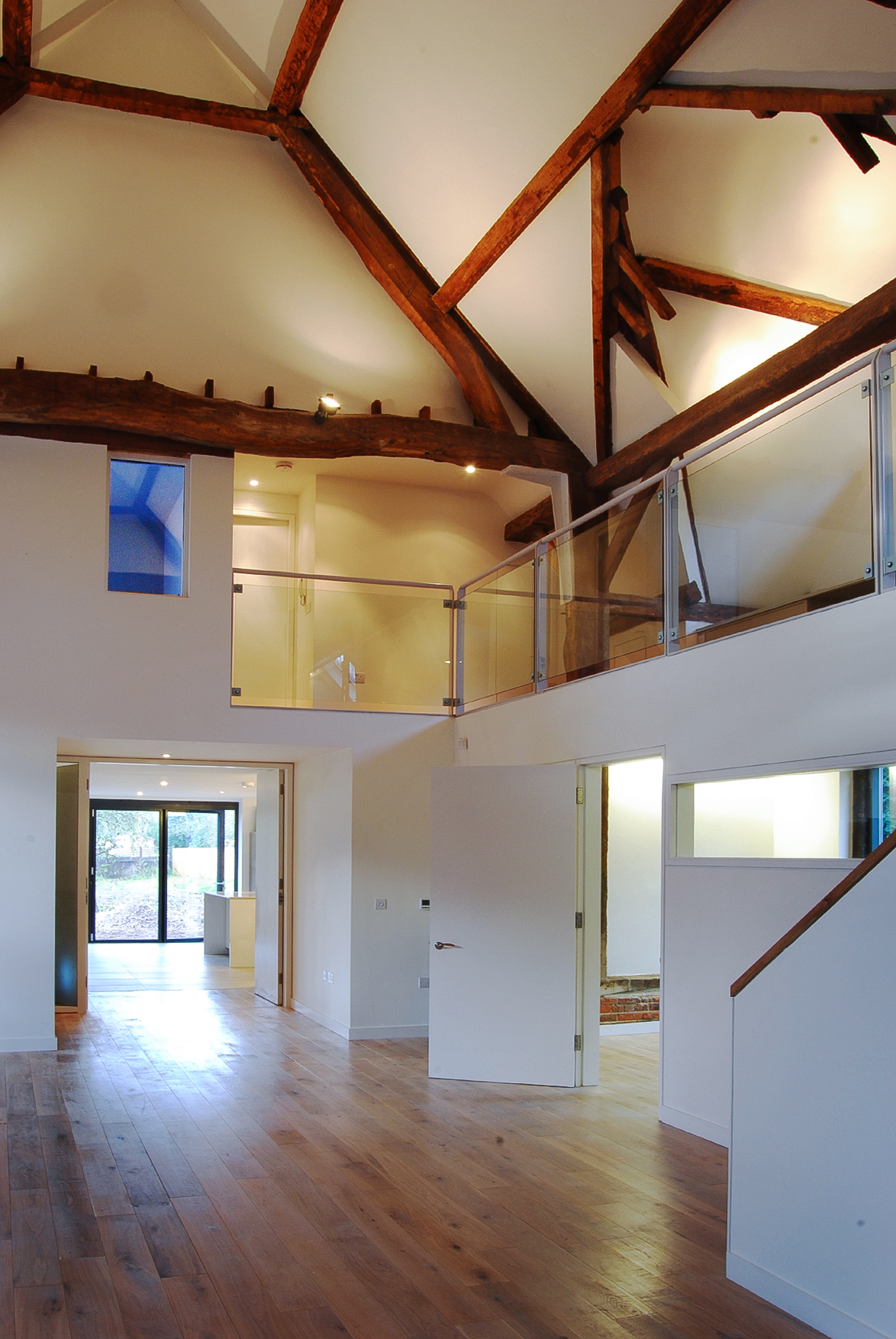
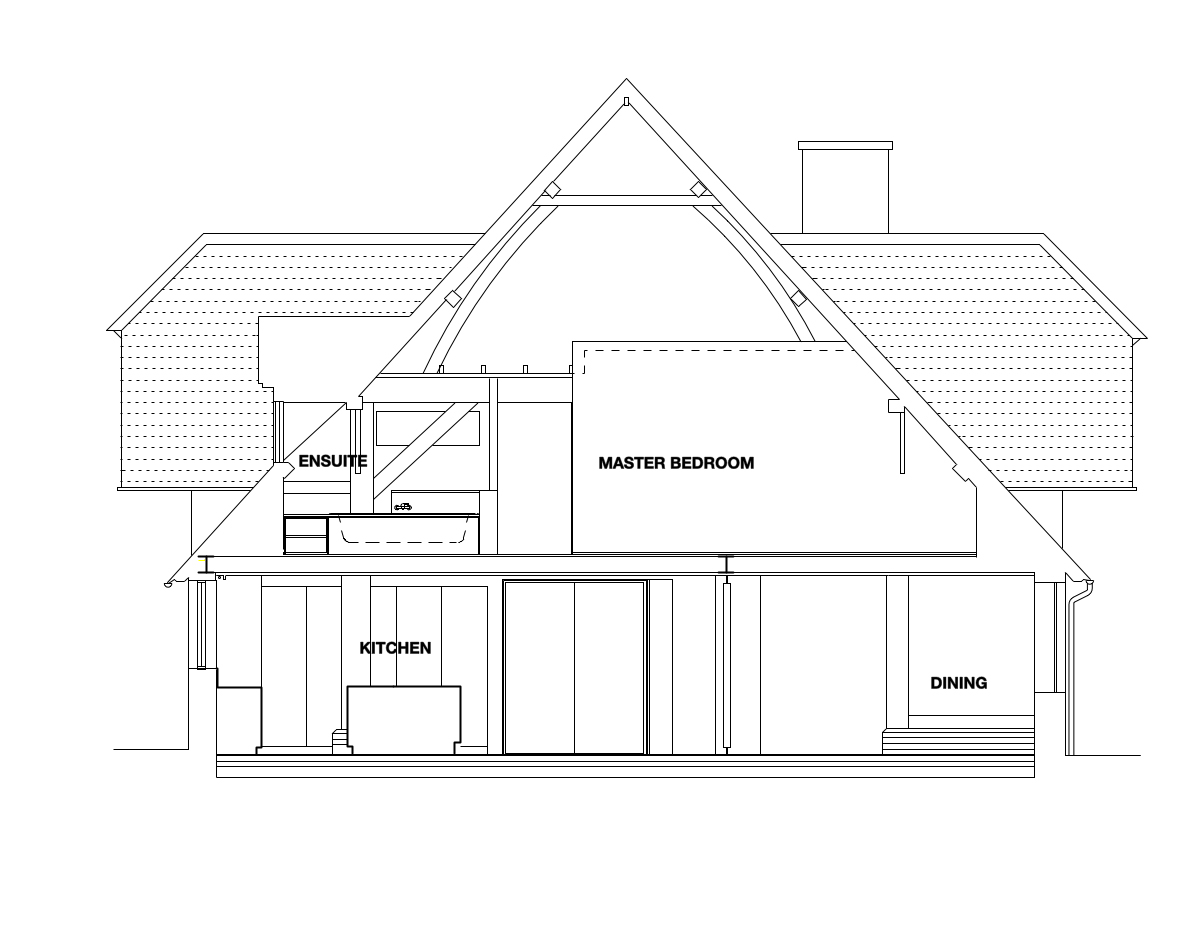
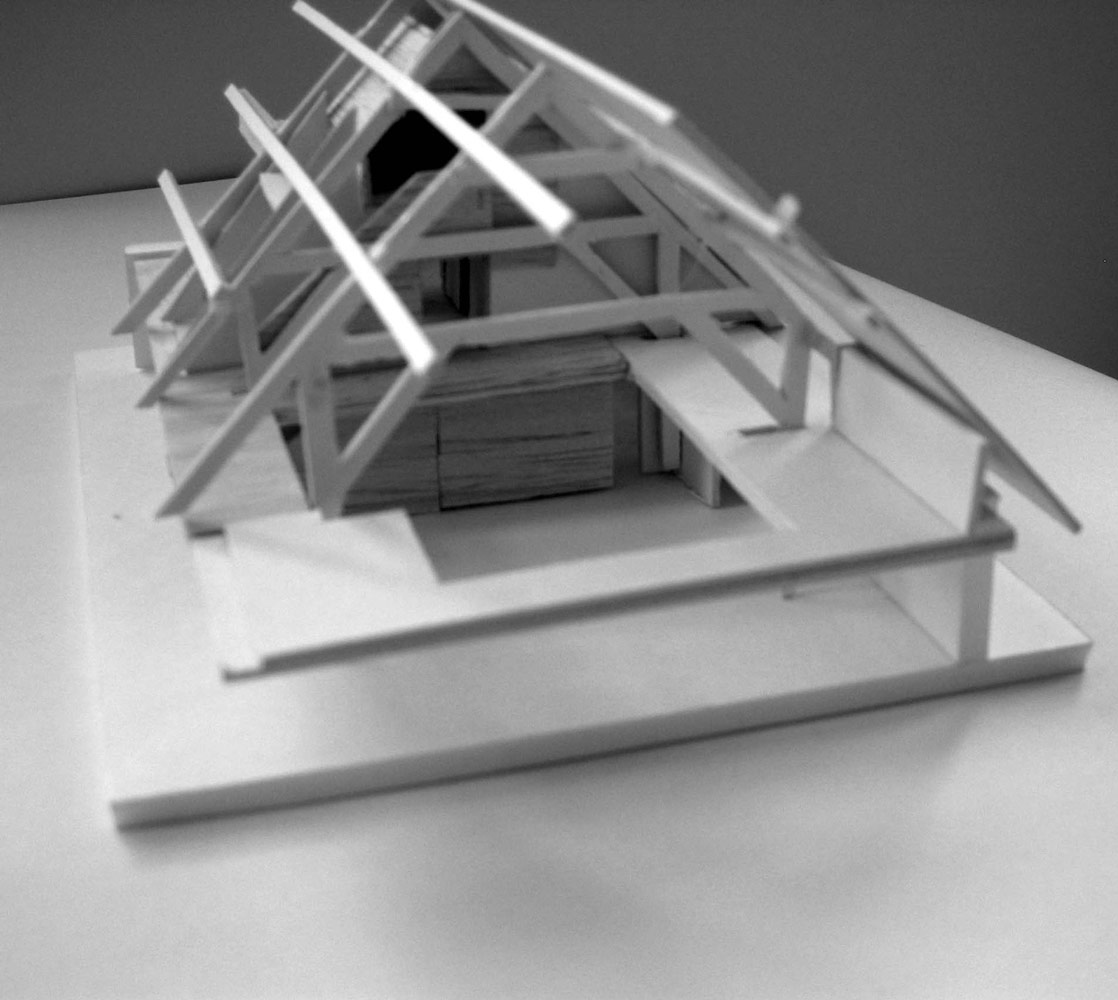
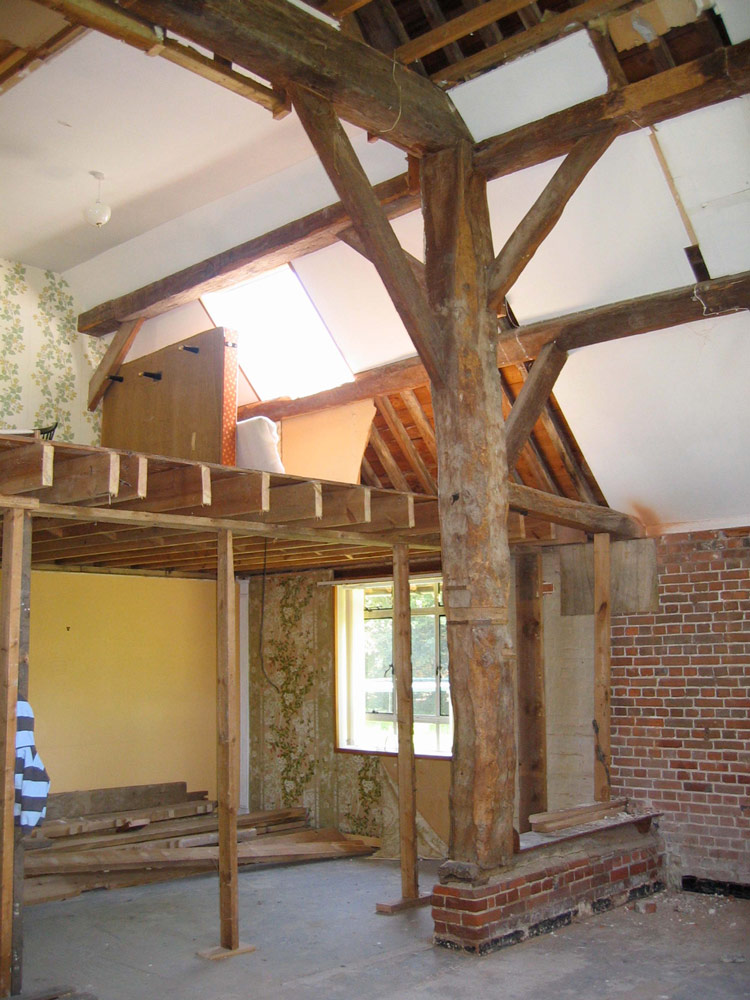
The barn was stripped back to the original oak structure of columns and trusses. This provided a grid around which spaces were planned.
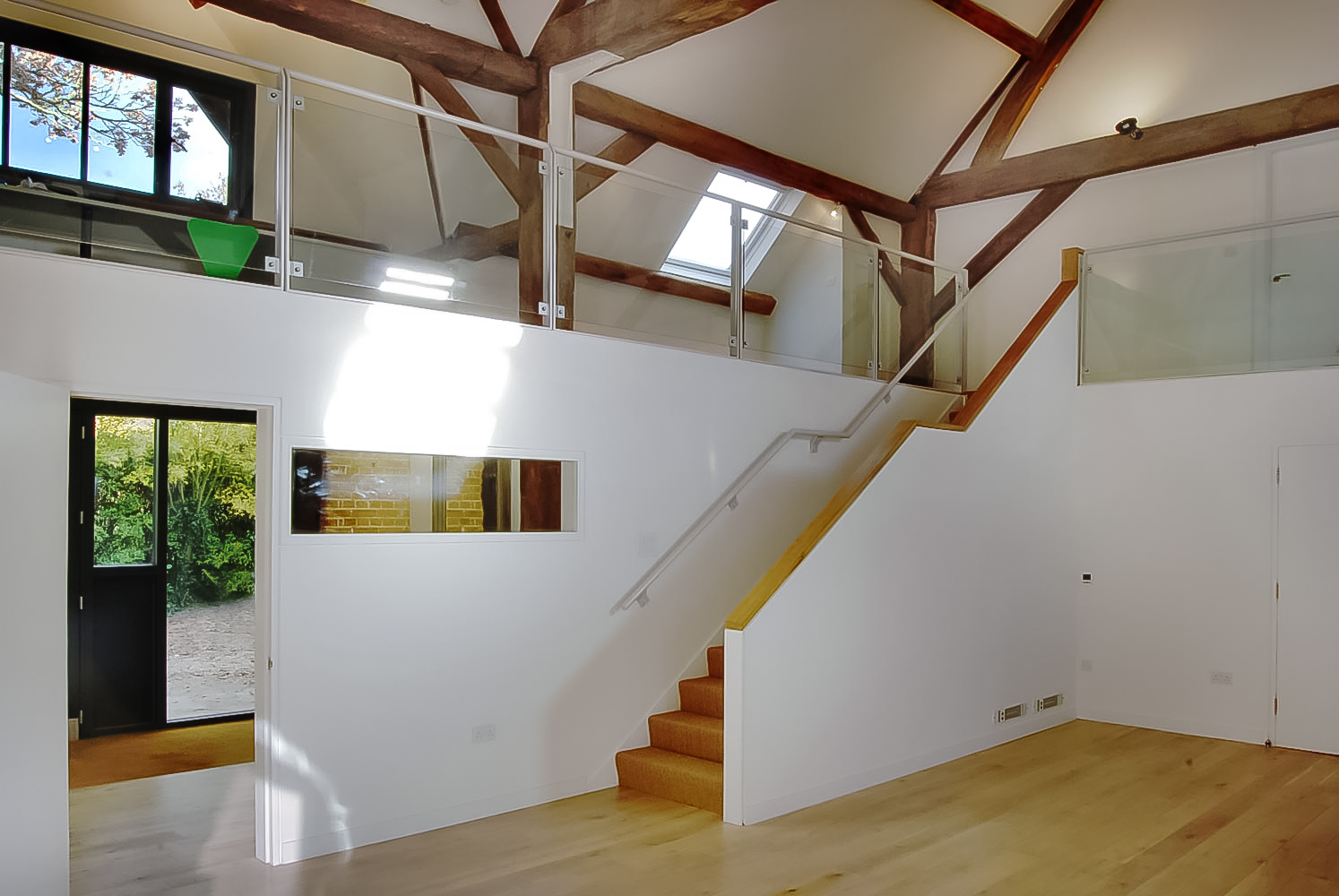
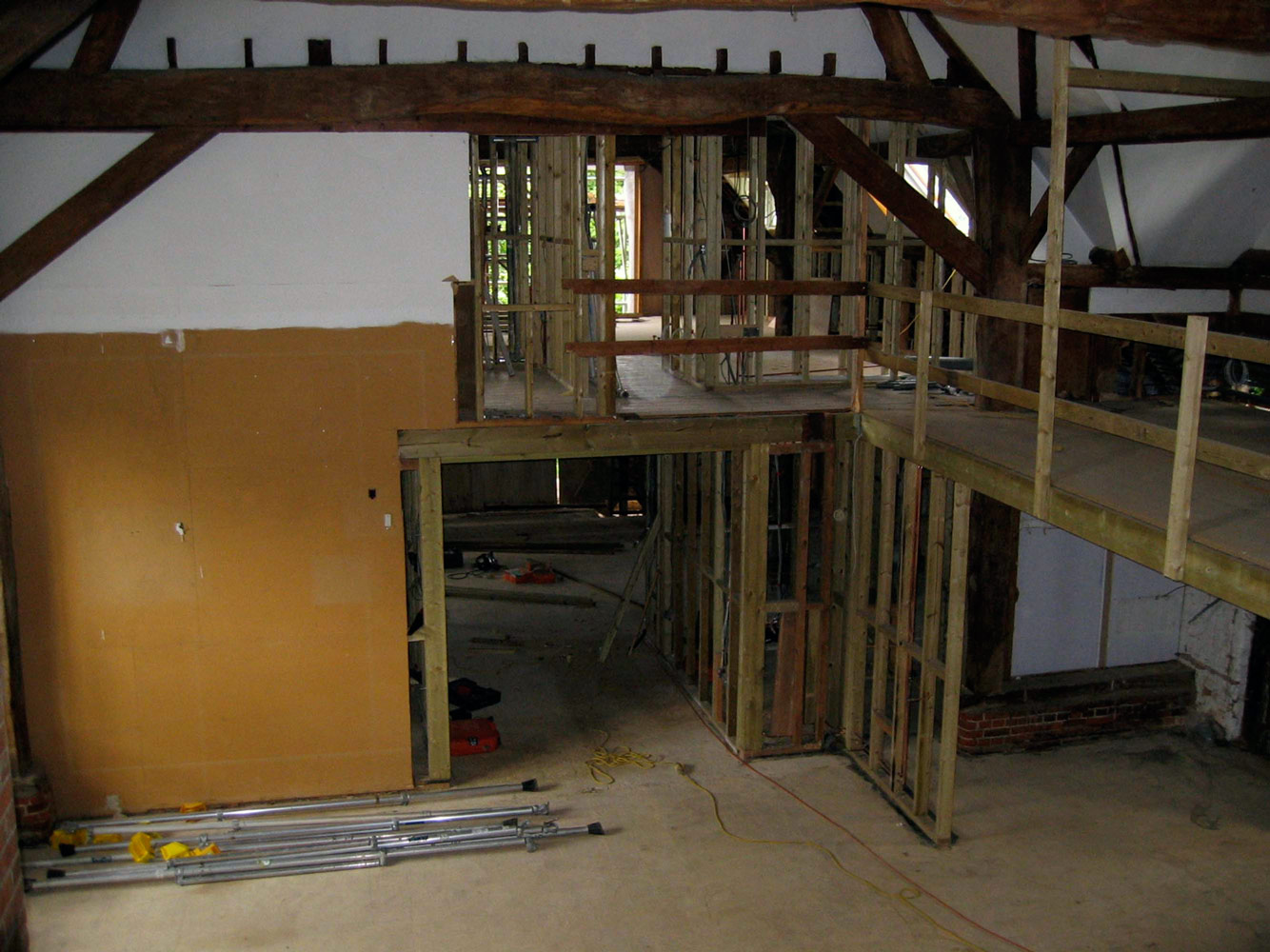
A major requirement for David as architect was the re-organisation of the first floor plan so that the bedrooms were accessed via the central gallery. The proportions of the original barn are celebrated with open plan spaces and ceilings reaching to the apex of the roof.
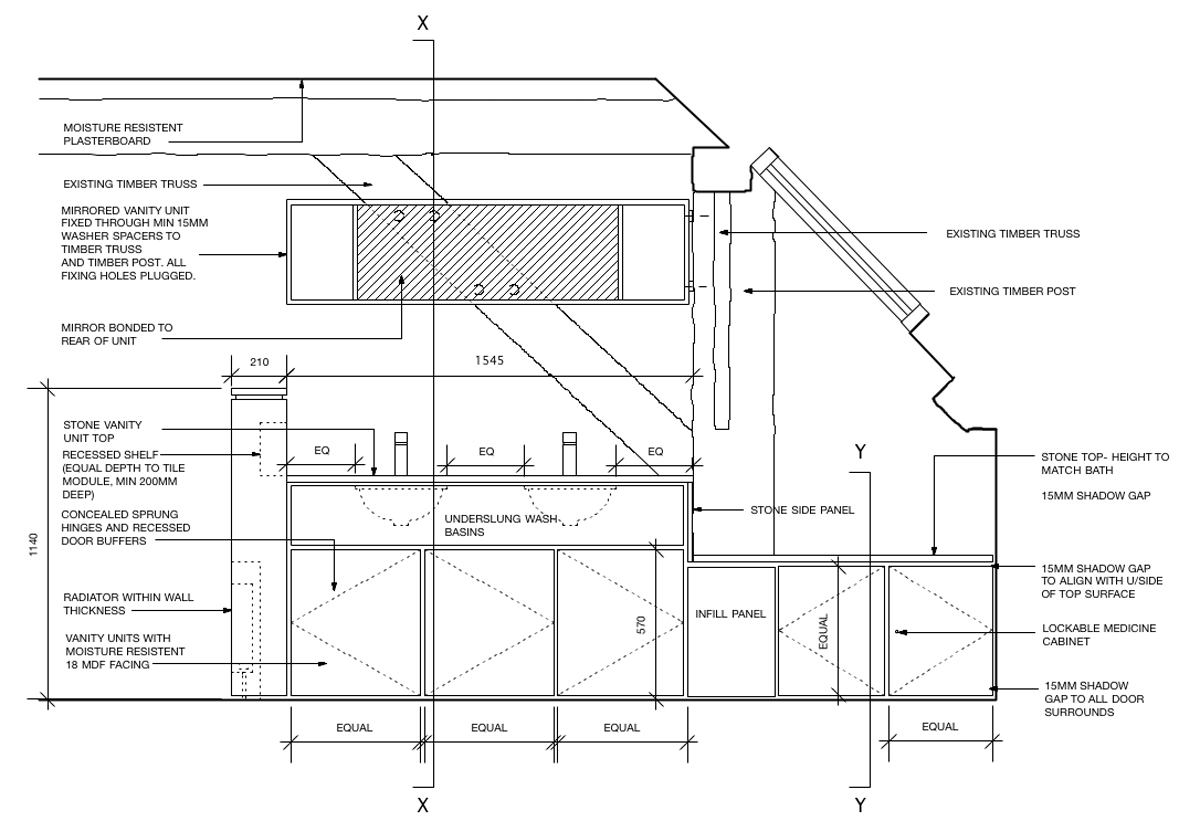
The new additions are treated as stand-alone units making the distinction between historic structure and contemporary addition deliberately clear. The design was a process of subtraction, rather than addition.
The Three Principles of Behind Pye Barn
1. Reveal the original structure.
The conversion began by stripping back layers to reveal the oak columns and trusses that define the character of the barn. The historic structure becomes the organising framework for the contemporary home.
2. Design around the existing structure.
The original barn structure establishes the rhythm and proportions of the interior. New spaces are carefully arranged around this framework, allowing the building’s original logic to remain visible.
3. Contrast old and new with clarity
Following the approach of the original 1935 conversion, contemporary additions are deliberately distinct from the historic fabric. New interventions are treated as independent elements, creating a clear dialogue between the original barn and modern living.
The barn conversion is situated on three acres of land with direct access to the village green beyond. It was therefore important to exploit the connection with the landscape. Opening glazed strips characterise the garden elevation and extend the principal living and master bedroom spaces towards the garden and wider landscape.
On summer evenings the family can slide open the full height windows and enjoy the garden and the village green beyond.
Recognition
The barn conversion project was published by:
- ‘Detail In Contemporary Bathroom Design’ by Virginia McLeod, published by Laurence King
- Building Design magazine
- Kitchens, Bedrooms & Bathrooms magazine
- Build It magazine
Barn Conversion Expertise
David Nossiter Architects specialises in sensitive barn conversions and contemporary barn conversion architecture, combining careful analysis of existing structures with precise contemporary interventions.
The practice works with historic and converted barns to improve their performance, functionality and relationship with landscape while retaining the character and qualities that make each building distinctive.
Thinking of converting your own barn?
If you’re thinking of converting your own barn, visit our barn conversion architectural services page to learn more about our expert services, then get in touch to discuss your project.
Photography by Lyndon Douglas